
 Health Insurance
 Car Insurance
 Term Life Insurance
 Investment Plans
Term Insurance vs Permanent Insurance: Which One is Right for You?
Choosing life insurance is not just about ticking a box; it’s about protecting your family’s lifestyle, liabilities, and long-term goals. For UAE residents and NRIs, the decision usually comes down to term vs permanent life insurance. While both provide a death benefit, the way they work, what they ...read more

4.6/5
35162
 Reviews
Insurance Partners
Trusted Customers
Policies Sold


 PB Promise Best
Price Guarantee


 Qualified Policybazaar expert will assist you
 What is Term Life Insurance?
Term life insurance covers you for a fixed period, typically 10, 20, or 30 years. If something happens to the insurer during this term, the insurer pays a lump-sum death benefit to the nominee. If the term ends and the insured is alive, the policy simply expires.
Best Term Insurance Plans in UAE
Some of the best Term Insurance quotes in UAE & Dubai are:




Key Features of Term Life Insurance
- Coverage for a specific time period
- Fixed sum assured during the term
- No savings or cash value component
- Significantly lower premiums than permanent policies
Because of its affordability and simplicity, term life insurance vs whole life becomes the point of comparison for UAE families to make.
When Term Life Insurance Makes Sense?
- You have a home loan or other large liabilities
- You want income replacement during working years
- You need high coverage at a low cost
- You want simple protection without complexity
For most UAE expatriates, term vs permanent life insurance comparison often tilts towards term in the early and mid-career stages.
What is Permanent Life Insurance?
Permanent life insurance covers you for your entire lifetime, as long as premiums are paid. These policies also build a cash value, which grows over time and can be accessed under certain conditions.
This answers a common question: what is whole life and term life insurance? The key difference is duration and cash value.
Key Features of Permanent Life Insurance
- Lifetime coverage
- Fixed or flexible premiums (depending on type)
- Cash value accumulation
- Higher premiums than term insurance

Difference Between Term Life and Whole Life Insurance — Quick Comparison
The table below clearly highlights the difference between term life and whole life, helping buyers understand which suits their goals.
|
Feature |
Term Life Insurance |
Permanent / Whole Life Insurance |
|---|---|---|
|
Coverage Duration |
Fixed (10–30 years) |
Lifetime |
|
Premium Cost |
Low |
High |
|
Cash Value |
❌ No |
✅ Yes |
|
Flexibility |
Limited |
High |
|
Best For |
Loans, income replacement |
Legacy, wealth transfer |
Term Life Insurance vs Whole Life: Pros and Cons
Pros and Cons of Term Life Insurance
|
Pros |
Cons |
|---|---|
|
|
Despite these limitations, many experts still consider term plans the foundation of financial protection.
Pros and Cons of Permanent Life Insurance
|
Pros |
Cons |
|---|---|
|
|
This is why “which is better: term or whole life insurance” depends heavily on affordability and long-term goals.
Buy Term Insurance Now

Term Insurance vs Permanent Insurance: Cost Comparison
Scenario:
- Age: 35
- Coverage: AED 1,000,000
- Term: 20 years
|
Policy Type |
Annual Premium |
Total Cost (20 yrs) |
Coverage |
|---|---|---|---|
|
Term Life |
AED 1,000 |
AED 20,000 |
Ends after 20 yrs |
|
Whole Life |
AED 10,000 |
AED 200,000+ |
Lifetime |
This example shows why term life insurance vs permanent life insurance often comes down to cost-efficiency versus lifetime value.
Term vs Permanent Life Insurance: Life Stage Considerations
Your age and responsibilities strongly influence whether term insurance vs permanent life insurance is the right fit.
- Young adults: Term life insurance is usually the best option due to low premiums and higher coverage, especially when income is just starting to grow.
- Mid-career professionals: A combination of term and permanent insurance works well, term for income protection and liabilities, permanent for long-term planning and wealth transfer.
- Near-retirement or retirees: Permanent life insurance may help with final expenses or inheritance planning, but higher age increases premiums. In some cases, term insurance may still be more practical.
Term Life Insurance vs Whole Life: Long-Term Needs vs Short-Term Obligations
Before deciding which is better: term or whole life insurance, ask yourself —
- Do I need coverage only during my earning years?
- Do I own a business that requires key-person cover or a buy-sell agreement?
If your needs are time-bound, term life insurance vs whole life usually favours term. If your obligations extend for life, permanent insurance becomes more relevant.
Can You Have Both Term and Permanent Insurance?
Yes, and many UAE residents do, and they use a common strategy —
- Term insurance for home loans, income replacement, and children’s education
- Permanent insurance for estate planning or legacy goals
This blended approach balances affordability and long-term security.
Should You Convert Your Term Policy to Permanent Life Insurance?
If you already have term life insurance and later realise you need lifelong coverage, conversion may be a smart option.
Why does conversion make sense?
- No new medical underwriting (in most cases)
- Guaranteed lifelong coverage
- Fixed premiums (depending on policy type)
Permanent policies cost more because they never expire and may include cash value accumulation. However, locking in early can reduce long-term costs.
How to Choose Between Term vs Permanent Life Insurance?
Choosing between term life insurance vs permanent life insurance isn’t about which product is “better” overall; it’s about which one fits your current life stage, financial goals, and long-term responsibilities. The right policy should protect your dependents without straining your budget or limiting flexibility.
Ask yourself —
- Do I need coverage for a fixed period or for life?
- Is my priority affordability or wealth transfer?
- Do I have long-term dependents?
Final Thoughts: Which is Better: Term or Whole Life Insurance in the UAE
There is no universal winner in term vs permanent life insurance. For most UAE expatriates, term insurance provides maximum protection at minimum cost during working years. Permanent insurance suits those with advanced planning needs and surplus income.
The smartest decision is the one aligned with your life stage, liabilities, and long-term financial vision. To help you make a better decision, Policybazaarinsurance.ae helps you compare term and whole life insurance plans to find coverage that fits your goals, budget, and family’s future.
FAQs on Term Insurance vs Whole Life Insurance
What is term insurance, and how is it different from whole life insurance?
Term life insurance provides coverage for a fixed period, such as 10, 20, or 30 years, while whole life insurance offers lifelong coverage with a cash value component. This is the core difference between term life insurance vs whole life insurance.
Which is better for a young and healthy individual: term or whole life insurance?
For most young and healthy individuals, term life insurance is usually the better option because it offers high coverage at a low cost. This makes it ideal for income protection and debt coverage during early career years.
What factors should I consider when choosing between term vs permanent life insurance?
Key factors include your budget, age, financial responsibilities, and how long you need coverage. If your needs are temporary, term insurance works better; for lifelong needs, permanent insurance may be more suitable.
How long can term life insurance coverage last?
Term life insurance policies typically offer coverage for 10, 15, 20, or up to 30 years, depending on the insurer and the policy chosen, making them suitable for long-term liabilities like mortgages.
Does whole life insurance offer benefits beyond death coverage?
Yes, whole life insurance builds cash value over time, which can be borrowed against or used for long-term financial planning, making it different from term insurance that offers only death benefit protection.
Can I have both term life insurance and whole life insurance?
Yes, many people combine both, using term insurance for short-term needs like income replacement and whole life insurance for long-term goals such as estate planning and final expenses.
Which is better: term life insurance or whole life insurance?
There is no one-size-fits-all answer. Term vs whole life insurance depends on your financial goals; term is better for affordability and flexibility, while whole life suits those seeking lifelong coverage and wealth planning.
Is the death benefit guaranteed?
In Term life insurance, you will get guaranteed coverage for the policy term, while Permanent life insurance offers guaranteed death benefits. Universal and variable life benefits may fluctuate based on policy performance.
Will premiums increase over time?
Premiums stay fixed during the term, but rise upon renewal in term insurance and in Whole life, premiums remain constant. Universal policies offer flexible premiums within limits.


More From Term Insurance
- Recents Articles
- Popular Articles
 13 Jan 2026Difference Between Insurance and Reinsurance: Meaning & Explained SimplyUnderstand the difference between insurance and reinsurance. Learn what reinsurance is, how it works, and why insurers in the UAE depend on it.
 13 Jan 2026Home Loan Insurance vs Term Insurance: Which Is Better in the UAE?Home loan insurance vs term insurance explained for UAE home buyers. Compare cost, coverage & benefits to see which insurance is better for home loan protection.
.jpg) 03 Sep 2025Expat Life Insurance in Dubai & UAE – Best Plans, Benefits & GuideLooking for expat life insurance in Dubai or UAE? Compare top providers like MetLife, Zurich, HAYAH & Sukoon. Learn eligibility, benefits, costs, and how life cover protects your family abroad.
03 Sep 2025Expat Life Insurance in Dubai & UAE – Best Plans, Benefits & GuideLooking for expat life insurance in Dubai or UAE? Compare top providers like MetLife, Zurich, HAYAH & Sukoon. Learn eligibility, benefits, costs, and how life cover protects your family abroad. 03 Sep 2025Medical Test for Life Insurance in UAE – Requirements, Process & BenefitsLearn when a medical test is required for life insurance in the UAE. Check the list of common medical exams, eligibility rules, and how tests impact premiums and claim approvals.
 02 Jul 2025Difference Between Whole Life and Endowment Policy in UAECompare whole life vs endowment insurance in UAE. Understand their differences, benefits, and choose the right plan for your financial goals.
 23 May 2025Expat Life Insurance in UAE: Best Plans & Complete GuideExplore everything about expat life insurance in the UAE – from top plans and benefits to key reasons why expats need coverage. Secure your family's future today.
 30 Oct 2025Universal Life Insurance in UAE: Benefits and TypesDiscover the advantages of Universal Life Insurance in the UAE. Learn about flexible premiums, investment options, types of UL policies, and how to build long-term wealth and protection.
 15 Apr 2025Term Insurance for Women in the UAEExplore affordable term insurance for women in the UAE. Learn about benefits, best plans, eligibility, and how to choose the right coverage to protect your family.
 15 Apr 2025Life Insurance for Parents in UAELooking to secure your parents’ financial future? Explore life insurance for parents in the UAE, including benefits, types, how to apply, and what to consider when choosing a plan.
 28 Feb 2025Best Term Insurance Plans for Self-Employed in UAE – Secure Your FutureExplore the best term insurance plans for self-employed individuals in the UAE. Get financial security for your family & business with affordable coverage options. Compare & apply now.
 28 Feb 2025Zurich Futura Whole Life Insurance – Benefits, Features & Coverage in UAEDiscover Zurich Futura Whole Life Insurance in the UAE. Get lifelong coverage, flexible benefits, and investment growth. Learn about policy features, optional riders, and how to apply today!
 21 Feb 2025Best Life Insurance Companies in the UAE – Compare & Choose the Right PolicyLooking for the best life insurance companies in the UAE? Compare top insurers, coverage options, and claim settlement ratios to secure your family’s financial future.
 19 Aug 2025Term vs Whole Life Insurance in UAE: Key Differences & BenefitsCompare term and whole life insurance in the UAE. Understand key differences, benefits, costs, and which plan suits your financial goals and budget.
- 11 Feb 2025Sum Insured vs Sum Assured: Key Differences & Insurance GuideUnderstand the difference between sum insured vs sum assured in insurance. Learn about their meanings, key features, and how to choose the right coverage for your needs.
 23 Jul 2024Takaful Emarat Life Insurance | Choose Best Takaful Emarat Life Insurance in UAETakaful Emarat Life Insurance UAE - Compare & Buy Takaful Emarat Life Insurance in Dubai, UAE. Get Financial assurance for your family with a Takaful Emarat Life Insurance
 15 May 2024Why Choose Twenty Five Year Term Life Insurance?In this article, we will understand all the key details about 25 year term insurance and its usefulness.
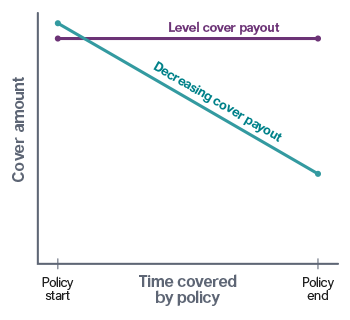 15 May 2024Level or Decreasing Life Insurance: What's the Difference?In this article, we will explore the distinction between decreasing vs level insurance, the benefits of each type, and how you can determine what works best for you.
 16 May 2025Level Term Life Insurance in UAE – Features and BenefitsExplore Level Term Life Insurance in the UAE – enjoy fixed premiums, guaranteed death benefits, and flexible coverage terms. Ideal for affordable long-term protection.
- 11 Mar 202410 Crore Life Insurance Policy - A Complete GuideA 10 crore life insurance policy offers extensive coverage. It ensures the financial well-being of the family and allows them to maintain their lifestyle and meet their financial goals even in the policyholder’s absence.
 23 Oct 2025Term Insurance for NRIs in UAE: Best Plans in 2026Explore top term insurance plans for NRIs in the UAE. Secure your family's future with affordable coverage tailored for expatriates. Get a quote today!
.png) 25 Apr 2025Best Life Insurance for Seniors | Protect Your FutureExplore affordable life insurance for seniors. Compare plans, get a quote, and find the best coverage for your needs. Start securing your future today!
25 Apr 2025Best Life Insurance for Seniors | Protect Your FutureExplore affordable life insurance for seniors. Compare plans, get a quote, and find the best coverage for your needs. Start securing your future today! 07 Aug 20231 Crore Term Insurance Plans In India: Here’s What You Need to Know!1 Crore Term Insurance Plans - Term insurance, a type of life insurance providing coverage for a specified tenure, offers a cost-effective way for individuals to financially protect their loved ones in the event of an unexpected death.
 06 Dec 2024Life Insurance for Couples : Everything You Need to KnowMake sure your loved ones are taken care of – get life insurance for couples today! Explore the significance of life insurance for married couples and how it can provide a safety net for the family's financial well-being.
 02 Aug 2023Understanding Life Insurance for 60 Year OldsLife insurance for senior citizens over 60 years numerous life insurance plans for coverage related to death, critical illnesses, situations where one is unable to work due to disabilities, and more.
 07 Aug 2023Term Life Insurance with Critical Illness CoverCritical illness covers a variety of illnesses, so be sure to find the right policy for you and your family. Check out our selection of term life insurance with critical illness cover today!
 05 Sep 2023Your Ultimate Guide to Life Insurance Corporation of IndiaLife Insurance Corporation of India - LIC aims to serve as a comprehensive guide for all those interested in learning more about LIC of India, delving into the core aspects of the corporation, its offerings, and its impact on the lives of millions of Indians.
- 23 Sep 2025Defining Spouse Term Insurance: Term Insurance for Husband and WifeWe will cover couple term insurance, discussing its importance, key features, benefits, and factors to consider when choosing a plan.
 24 Jun 2025Best Term Insurance Plan in India 2026Term insurance presents an economical way to secure one's family's financial future and have cover for their financial obligations such as mortgage payments, education expenses, and daily living costs.
 07 Aug 2023Life Insurance for 65 and Older - Benefits & TipsCheck out our top picks for 65+ life insurance plans! Learn more about the benefits of life insurance for those over 65 years old in this post.
 19 Sep 2025LIC Term Insurance 1 Crore – An OverviewWe will take a closer look at LIC term insurance 1 crore and cover all its related aspects.
- 09 Dec 2025Term Insurance Premium Calculator - A Complete GuideTerm insurance premium calculator in the UAE offers numerous advantages, streamlining the process of selecting the most suitable term insurance plan.
 07 Aug 2023Life Insurance for Seniors over 70 Years - Benefits & TipsDon't wait until it's too late to get life insurance for seniors. Here are everything you need to know about getting life insurance for seniors over 70 years of age.
 07 Aug 2023The Best Life Insurance Cover in the UAE - Securing Your Loved Ones' FutureLife Insurance Cover in UAE - We will show you the different types of life insurance available in the UAE and which is best for you.
- 06 Nov 2023Can You Have Two Life Insurance Policies?This article delves deep into the realm of holding multiple term insurance policies, highlighting the benefits and answering your pressing queries regarding this facet of financial planning.
 02 Aug 2023Best 5 crore term life insurance: Best Term Plans in UAEWe will discuss 5 crore term life insurance in detail, whether it is suitable for you and your family, and other factors to keep in mind.
 02 Aug 2023Life Insurance For People Over 50 : Plans & BenefitsLife insurance also allows seniors to leave a legacy for their beneficiaries, offering a means to support their families or contribute to charitable causes.
 30 Oct 2025How Many Types of Life Insurance Policies in UAEThere are different type fo policies in market like whole life, child life, and endowment life insurance policies, we intend to illuminate the unique characteristics and benefits of each type.
 03 Jan 2024Life Insurance for Young Adults - Securing Your Tomorrow, Today!We will explore the significance of life insurance for young adults, the various options available, and why it's a wise decision to secure your future today.
- 07 Aug 2023Best Life Insurance for Seniors Over 75 in UAEExplore the importance of life insurance for seniors over 75, discuss the benefits it offers, and provide guidance on choosing the right policy. Get started today and find the best policy for you and your family!