

Debt Avalanche – Your ‘Debt Disaster Management’ Guide
Compare Investment Plans
Every day, people are showered with advice about what is the best way to settle debts. However, let’s just agree on this fact – choosing the right way to repay your debt cannot be a “one-size-fits-all” method.
Several methods and techniques out there can help you settle your debts. Yet, the challenge lies in the fact that selecting the most suitable method could be a challenging task. What might work for one person may not work for the other.
With that said, the two most common methods used by individuals for settling debts are debt avalanche and debt snowball. If you are working on paying off your debts, you can certainly try the debt avalanche method.
This write-up will shed some light on what is debt avalanche and how it works. You would also get to find out more about the benefits of the debt avalanche approach to settling debts.
Debt Avalanche Method – A Descriptive Overview
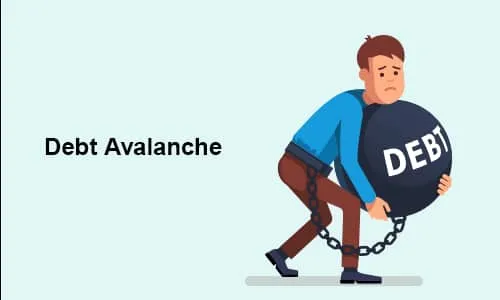
Using the debt avalanche approach, you can repay your debts with higher interest rates. As per its core ideas, you would need to start from the top instead of repaying smaller debts and gradually working up to the top.
Here, the idea is to repay all your high-interest debts before the lower-interest debts. It is because the former often results in higher interest payments in the long run. This method for debt settlement is ideal for people who want a more calculative approach to repaying debts.
According to experts, debt avalanche is an organised way to get rid of debts in a faster and more affordable manner. After paying off high-interest debt, you can then move to the next-highest interest loan. This step continues till all of your debts are settled.
How Does Debt Avalanche Work?
The debt avalanche approach works the following way –
- Make a list of all the outstanding debts
The outstanding debts could belong to any of the following categories –
- Credit cards
- Student loans
- Medical debts
- Personal loans
- Auto loans
- Outstanding utility bills
Note down the amount you owe for each of these debts, the monthly payments, and the interest payable. You can also record the due dates of these payments.
Arrange the debt list with high-interest debts at the top
Make a list of your debts starting from high-interest debts to low-interest ones. This list will help you prioritise the repayment of your high-interest debts. However, while your target is to get rid of high-interest debts, make sure you are directing minimum payments towards other debts as well, as this will keep you from falling behind on your payments and prevent you from hurting your credit score. Whatever extra funds are left, use them to repay the high-interest debts. You can also use the extra money that you earn to repay your debts, as this can help you settle the high-interest debts in full.
Continue the process till your debts are repaid
Once you have settled your highest-interest debts, start off paying your next-highest-interest debt. Channel more money towards the new debts as you no longer need to make minimum payments on the settled debts. Update the list monthly as your balance decreases and debts get settled.
How to Make Debt Avalanche Strategy Work for You?
To make this strategy work, you can consider following these tips –
- Stick to a stringent budget so that you can channelise more money towards paying off your high-interest debts
- Once you have paid a high-interest debt, use the money that you allocated for paying extra for the high-interest debt to repay the next high-interest debt
When you are consistent with this approach, you not only settle the debts faster but also become a better manager of your funds and expenses over time.
Advantages of Using Debt Avalanche to Settle Debts
Debt avalanche reduces the interest accrued over time. As you begin to pay off your principal amount, you start saving more and can repay the debt faster.
The following are the major benefits of this debt settlement method –
- When you pay a high-interest debt, you settle the debt that costs you the most. This makes it a considerably cost-effective approach.
- It motivates you to settle all your debts faster as you have already settled the debt with a high-interest rate
- This debt repayment method is suitable for you if you want to repay your debts quickly and do not have any habitual issues
Key Takeaways
- Under the debt avalanche method, you directly start at the top rather than repaying small debts first and slowly going up to the top. The aim here is to repay all your high-interest debts before the lower-interest debts.
- The debt avalanche method is a systematic way to settle debts in a faster and more cost-effective manner. Once you pay off high-interest debt, you move to the next-highest interest loan. This process keeps on going till all your debts are settled.
- To use the debt avalanche method smartly, you should first make a list of all the outstanding debts and arrange the high-interest debts on top of the list.
- Repay the debts that cost you the most money in terms of interest, followed by the next-highest-interest debt. Continue the process until all your debts are settled.
- To make sure the approach remains effective, you should stick to a strict budget.
- This debt repayment method is suitable for you if you want to repay your debts faster and don’t have any problems regarding overspending and more.
- This method motivates you to settle your debts faster, as you have already settled the debt with a high-interest rate.
Policybazaar UAE – Helping you navigate the wilderness of the insurance world!
Mutual Fund Guide
- NRI Bonds
- 7 Thumb Rules for Investing
- Advantages of ULIP Plans
- Annuity Calculator
- Annuity Rate Table
- Best 5 Year LIC Plans for Good Returns
- Best Annuity Plans to Invest for Retirement
- Best Fixed Return Investment Plans
- Best Index Funds in UAE
- Best Assets to Invest In
- Best Investment Options for NRIs in [#YYYY#]
- Best Investment Plan for 5 Years
- Best Investment Plans for 1 Year
- Best Investment Plans for 3 Years
- Monthly Income Funds
- Best NRE Fixed Deposit Rates in UAE
- Best Online Trading Platforms
- Short-Term Investment Plans with High Returns
- Best Short Term Investment Plans for NRIs
- Best SIP Plans for NRI
- Best Small Investment Plans in India
- Best ULIP Fund Returns Plans in India
- How to Invest AED 10,000 in UAE?
- Can a Foreigner Invest in the US Stock Market
- Difference Between CFD and Stock
- Child Education Plans in India
- Deferred Annuity: Meaning, Features, Types, and More
- Difference Between Annualized and Absolute Returns in Mutual Funds
- Difference Between NRI and PIO
- Best LIC One Time Investment Plans
- Understanding General Provident Fund
- HDFC Annuity Deposit Schemes
- How an LIC Annuity Plan Works
- How Do Millionaires Insure Their Money
- NPS for NRIs
- How to Become Millionaire in Dubai
- How to Get Monthly Income from Investment in India
- How to Invest 100 AED in UAE
- How to Invest 15 Lakhs for Monthly Income
- How to Invest 2000 Dirhams in UAE
- How to Invest 50 Lakhs to Get Fixed Monthly Income
- How to Invest 5,000 AED in UAE
- How to Stop an SIP in Mutual Funds
- How to Survive a Recession
- Investment Tips for Investors with Less Money
- LIC Children Money Back Plan
- LIC Endowment Plan in UAE
- LIC Endowment Policy Calculator
- LIC Long Term Investment Plans for Your Financial Planning
- LIC Money Back Calculator
More From
 Free Mutual Fund Return Calculator | Plan Your GrowthEasily calculate mutual fund returns with our intuitive tool. Start planning your investment strategy for a brighter financial future today!
 How to Easily Make LIC Online Payments in UAE?LIC Online Payment - LIC online payment facility can help you complete the process online and save time and effort.
 How to Check the Surrender Value of Your LIC Policy?We will guide you on how to check the surrender value of your LIC policy so that you have sufficient information on hand and are able to make an informed decision.
 LIC Kanyadan vs Sukanya Samriddhi Yojana - Which is Better?We will explore the key components, advantages, and critical distinctions between the LIC Kanyadan and Sukanya Samriddhi Yojana.
 Best Investment Options for NRIs in 2026 - A Complete GuideExplore the best Investment Options for NRIs and it’s benefits to help you make informed decisions to secure and grow your financial legacy.
 How to Invest 15 Lakhs for Monthly Income?Investing 15 lakhs for monthly income involves finding a balance between risk and return. Lump Sum Mutual Funds | ULIPs |Pension Plans | Child Plans and more options.
 Explore Best Fixed Return Investment Plans in 2026Best Fixed Return Investment Plans in 2026 · 1) Retirement Plan · 2) Bank Fixed Deposits (FDs) · 3) Monthly Income Plan (MIPs) · 4) Public Provident Fund · 5) Bonds.
 Exploring the Best Investment Plans for 3 YearsBest Investment Plans for 3 Years - Fixed Deposits · Savings Accounts · Liquid Funds · Fixed Maturity Plans · Gold Investment · Short Term and Ultra-Short Term Funds.
 Best LIC Policies for Age Above 60 Years in 2026Best LIC policy for above 60 years, LIC has curated plans to ensure that even those above 65 years can relish the benefits of a steady pension post-retirement.
 LIC Money Back Plan - 20 Years Maturity CalculatorLIC Money Back Policy Calculator, policyholders can effortlessly determine both the premiums due and the maturity amount expected at the end of the 20-year period.
 How to Invest 50 Lakhs to Get Fixed Monthly Income?Check out some of the best investment options to invest 50 lakhs for monthly income. Post Office Monthly Income Scheme (POMIS) · Government Bonds · Corporate Deposits · Annuity Plans ans more others options.
 How Does the LIC NPS Calculator Work?National Pension Scheme (NPS), a government-backed retirement savings plan designed to provide Indian citizens with a stable post-retirement income. Check out its features, benefits, operative steps, and more.
 Late Payment Charge for a LIC Premium - A Complete GuideWe will cover all the information regarding late payment charges on LIC premiums, the consequences, and more. Learn how to avoid late payment charges.
 LIC Jeevan Labh Surrender Value Calculator - Complete GuideDiscover Your Financial Future with LIC Jeevan Labh Calculator! Calculate your premium, maturity benefits, and secure your family's financial well-being.
 How to Invest In Indian Mutual Funds from UAE?Learn how NRIs in the UAE can invest in Indian mutual funds easily. Get steps, KYC process, taxation details & top funds to invest in from Dubai or anywhere in UAE.
 Best SIP Plans for NRI | Top Investment OptionsExplore the best SIP plans for NRIs in 2025 to grow wealth in India. Compare top-performing funds, returns, and benefits of SIP investment for NRIs. Start investing smartly today.
 LIC Maturity Amount Calculator | Get Instant ResultsCheck your LIC maturity amount with our easy calculator. Know your policy returns and make informed financial decisions with ease!
 LIC Premium Payment Late Fee Calculator | Quick EstimateFind out your LIC premium late fees quickly. Use our user-friendly calculator to understand your payment status and avoid penalties!
- Free Mutual Fund Return Calculator | Plan Your GrowthEasily calculate mutual fund returns with our intuitive tool. Start planning your investment strategy for a brighter financial future today!
 How to Invest 10,000 AED in UAE 2026 | Top 10,000 AED Investment Options in DubaiHow to invest 10,000 AED in UAE. Explore 10,000 AED top investment options like REITs, ETFs, mutual funds, gold, and stocks to maximize your returns.
- LIC Kanyadan vs Sukanya Samriddhi Yojana - Which is Better?We will explore the key components, advantages, and critical distinctions between the LIC Kanyadan and Sukanya Samriddhi Yojana.
- Best LIC Policies for Age Above 60 Years in 2026Best LIC policy for above 60 years, LIC has curated plans to ensure that even those above 65 years can relish the benefits of a steady pension post-retirement.
 Top 7 Mobile Apps That Help Save Money in UAEWe will list some of the top money-saving applications in the UAE to help you figure out the best one for your need.
- LIC Fixed Deposit Monthly Income Plan - A Complete GuideLooking to secure your future? In this article will discuss its features, benefits, eligibility criteria and more details of LIC fixed deposit monthly income plan.